
 Bun Cha Ca in Da Nang: What to Order and How to Enjoy Your First Bowl
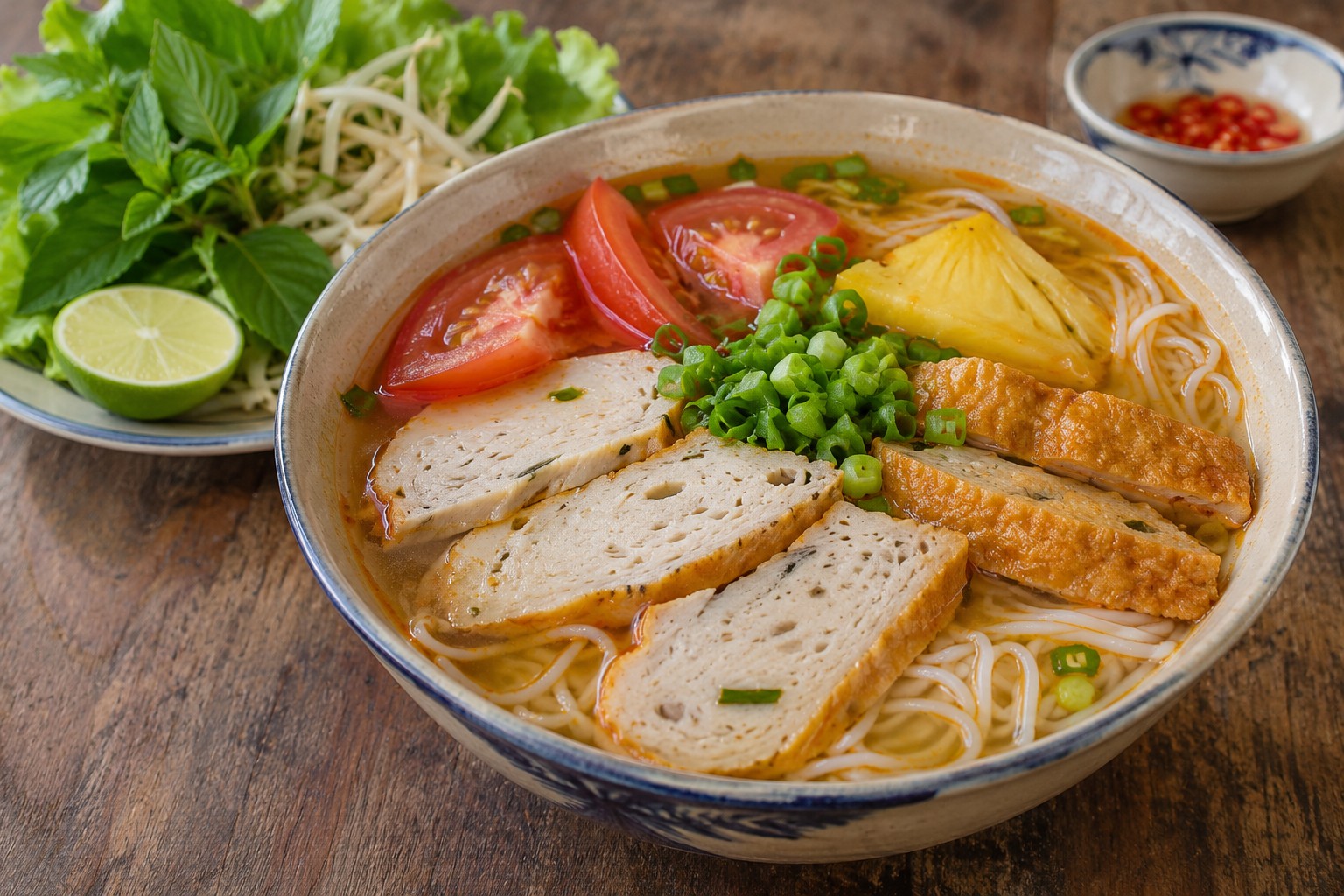
Bun cha ca is one of the most approachable ways to begin a food-focused day in Da Nang. A bowl brings together rice vermicelli, fish cake and a savory broth, often with vegetables and a small selection of fresh accompaniments. It can look simple at first, but the textures of the fish cake and the balance of the soup give each kitchen room to express a different preference.
For visitors, the main challenge is usually ordering rather than eating. Menus may distinguish steamed and fried fish cake, offer extra fish or use familiar Vietnamese food words in an unfamiliar combination. This guide explains the bowl, the practical questions to ask and how to compare versions without assuming every restaurant follows one fixed recipe.
Understand the name before choosing the bowl
“Bun” refers to rice vermicelli, while “cha ca” refers to fish cake in this context. The dish is not the same as bun cha, the Hanoi-associated meal built around grilled pork, despite the similar-looking words. It is also different from other regional dishes using the name cha ca. Keeping the full phrase “bun cha ca” visible helps when searching or showing staff what you want.
If you are uncertain about a menu, point to the Vietnamese name and ask what comes in the standard bowl. A photograph can help with presentation, but it does not establish every ingredient. Ask separately about additions such as a fish portion or a larger serving. A clear standard order is usually the easiest way to understand a restaurant's version before trying its variations.
The noodles provide the structure
The thin rice noodles sit underneath and around the toppings, giving the broth something to cling to without dominating the bowl. They differ from the broader noodles associated with mi Quang. That distinction affects the eating experience: bun cha ca is usually approached as a soup, while a bowl of mi Quang has a different relationship between noodles and liquid.
Loosen the noodles gently with chopsticks and use the spoon for broth. You do not need to lift a large tangle at once. Let the first mouthful include a little soup and one piece of topping so you can understand the balance. Stirring vigorously before tasting can scatter the ingredients and make it harder to notice what the kitchen has already prepared.
Steamed and fried fish cake bring different textures
Fish cake may appear in pale steamed slices, golden fried pieces or a combination. The contrast is part of the appeal: one can feel springy and delicate while another adds a firmer edge and richer flavor. Recipes vary, including the fish used and the seasoning, so do not assume identical taste or ingredients across shops.
If both styles are offered, a mixed standard bowl can be a useful introduction. If you prefer one, ask whether the kitchen can serve that version. Do not judge fish cake solely by color or expect it to behave like a fillet. It is a prepared mixture with its own texture. Taste a small piece without extra chili first so its seasoning remains recognizable.
Taste the broth before adding anything
Da Nang versions can include ingredients such as tomato, pineapple and other vegetables, with each kitchen setting its own balance. The broth may have gentle acidity, sweetness and savory depth. A bowl that looks similar to another can taste noticeably different because of how those elements have been handled.
Take a spoonful before reaching for the condiments. Then decide whether it needs lime, chili or nothing at all for your taste. Adding several spoonfuls of strong seasoning immediately makes it difficult to understand the bowl and can overwhelm a lighter preparation. There is no obligation to use every condiment on the table. They are tools for adjustment, not a required recipe you must complete.
Fresh accompaniments are flexible
A small plate or basket of greens, sprouts or herbs may accompany the soup. Some diners add them directly, while others use them gradually. The exact selection varies. Look at what is provided and ask if you are unsure whether an item is intended for the bowl or for another dish ordered by the table.
Start with a modest amount so the soup remains at a comfortable temperature and the noodles are still easy to reach. You can add more as you eat. If you have a reason to avoid raw ingredients, explain that before the food is prepared and ask what alternative the restaurant can provide. Do not assume a brief dip in hot broth is equivalent to a separate cooking process.
Learn a few useful ordering words
Knowing “cha ca” for fish cake and “bun” for the noodles helps identify the dish. “To nho” and “to lon” can be useful when asking about a smaller or larger bowl, though the shop may use its own menu structure. Showing the exact menu item is often clearer than trying to assemble a complicated sentence in an unfamiliar language.
For spice, ask for chili separately rather than assuming the broth itself can always be changed. If you want only the standard serving, say so before extra toppings are added. Confirm the price of any fish portion or additional fish cake. A short exchange with a pointed menu usually works better than a long translated paragraph that mixes portion size, ingredients and payment questions together.
Find a specialist shop without chasing a ranking
A place focused on bun cha ca is a useful starting point because the menu and workflow may be easier to understand. Da Nang's tourism food listings can help identify candidates, and current map information can confirm location and recent activity. Verify the actual entrance and name, particularly when several businesses on the same street have similar signs.
Choose a location that fits your morning rather than crossing the city for an unverified superlative. A shop with a clear menu, steady service and food being prepared as orders move through can provide a satisfying introduction. If you have a particular restaurant in mind, check current opening information and recent updates before leaving. A popular breakfast place may not match the hours of a late-morning sightseeing schedule.
Make timing part of the plan
A breakfast noodle stop is easiest when it has room in the itinerary. Do not arrive with only a few minutes before a tour pickup and expect a relaxed meal. Allow time to locate the entrance, order and eat while the soup is comfortable. If a shop is busy, ask how long the wait is before committing to a table.
For travelers who prefer a late start, identify a backup that is actually serving at that hour. Avoid relying on a broad statement that the dish is “available everywhere all day.” Individual shops operate differently, and a restaurant known for breakfast may finish earlier than you expect. A simple backup keeps one closed door from turning the whole morning into a search exercise.
Price and portion should be confirmed together
Check the current menu and ask what is included in the displayed amount. A basic bowl, a larger bowl and a bowl with extra fish may have different prices. Drinks and other additions are separate unless stated otherwise. Online menu photographs are useful for orientation but should not overrule the menu you are shown on arrival.
If you are sampling several foods, choose a smaller serving when offered and avoid ordering extra toppings automatically. If this is your main breakfast before a long outing, a standard or larger bowl may suit you better. The aim is to match appetite, not to maximize the topping count. A well-proportioned bowl can be more enjoyable than one overloaded with additions.
Allergies require more than removing one topping
Fish is central to this dish, and broth, fish cake or condiments may contain additional ingredients. If you have a relevant allergy, ask about the prepared fish cake mixture and stock rather than only the visible slices. A kitchen may not be able to provide complete ingredient information or prevent shared-equipment contact.
Do not treat a bowl with the fish cake removed as fish-free. Likewise, a vegetable-rich appearance does not make the broth vegetarian. If your requirement cannot be confirmed clearly, choose a different meal at a venue able to address it. Simple dishes are not automatically simple from an ingredient or preparation perspective, particularly when components are made in advance.
How to compare two bowls thoughtfully
If you try bun cha ca more than once, compare the fish cake texture, the broth's balance and how the accompaniments work together. Keep one bowl close to its original seasoning before heavily adjusting the next. You may discover that you prefer a lighter soup for breakfast and a richer version later in the trip.
Avoid declaring a whole restaurant better based solely on one variable such as the number of toppings. Service pace, seating and convenience can also affect your experience. A small neighborhood shop near your accommodation may be a better repeat breakfast than a famous address that requires a long journey. Personal preference is a useful conclusion; a universal ranking usually is not necessary.
Pair it with the rest of a food day
A bowl of bun cha ca works well before a city walk, market visit or museum stop, depending on the shop's location. Leave a little time afterward for a drink or a gentle walk rather than immediately adding another large breakfast. If you are staying by the beach, decide whether to eat locally or make the noodle stop part of a downtown morning.
On other days, try mi Quang, banh mi or another breakfast dish to understand the city's range. The Vietnamese breakfast guide and local food overview can help you spread those choices across the trip. Different mornings are often a better way to compare foods than one crowded tasting session when appetite becomes the limiting factor.
Your first bowl, kept simple
Choose a convenient specialist, order the standard serving, taste the soup first and add condiments gradually. Ask about portion and extras before ordering. Give yourself enough time to enjoy the contrast between soft noodles, springy fish cake and the broth rather than rushing through it as a checklist item.
Bun cha ca is worth returning to because its details become easier to notice with familiarity. After the first bowl, the menu feels less mysterious and the differences between kitchens become more meaningful. That is when a straightforward breakfast can turn into one of the small routines that makes a Da Nang trip feel personal.


