
 Vietnamese Desserts and Sweet Treats in Da Nang: What to Try and How to Order
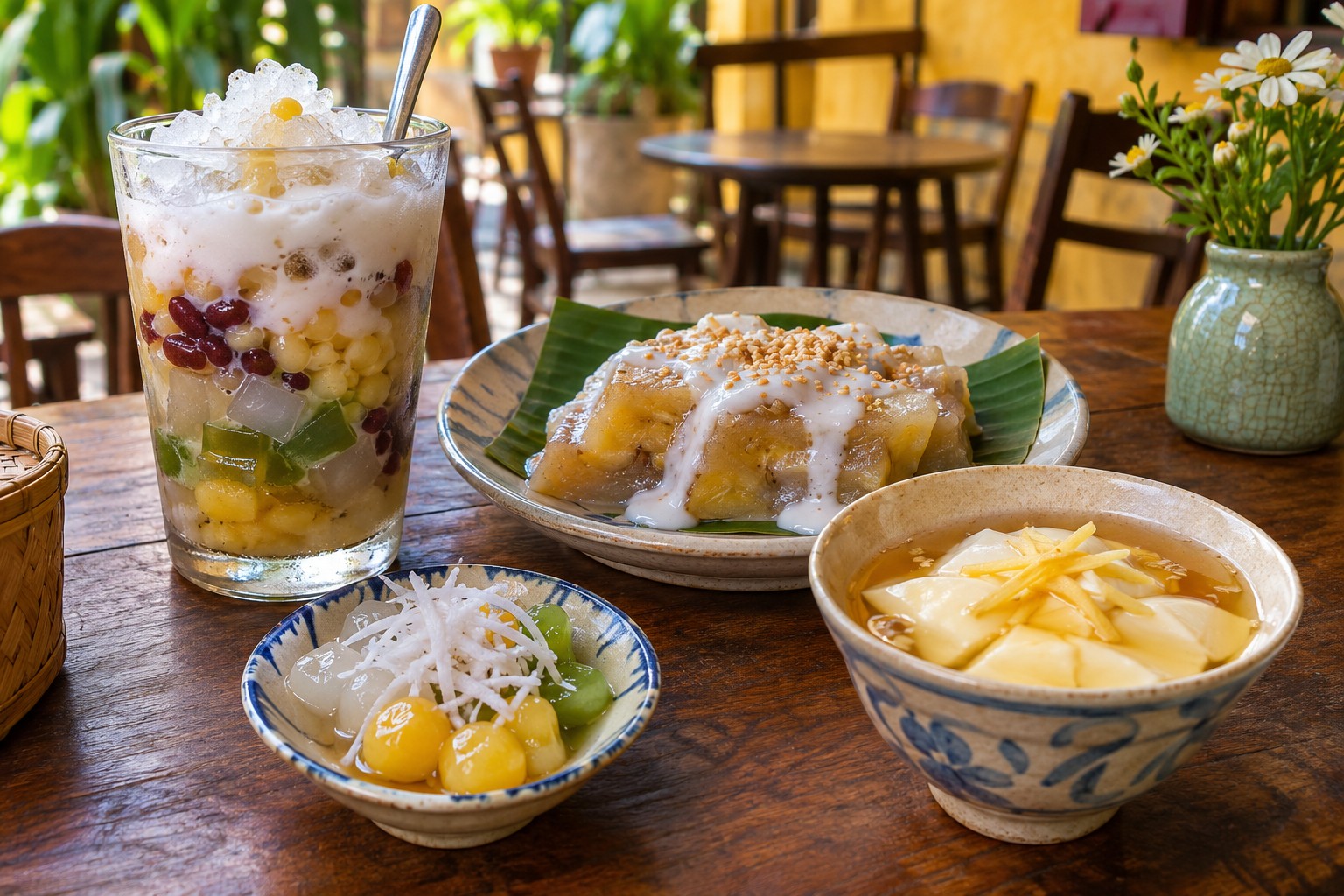
A sweet stop in Da Nang does not always look like cake after dinner. It might be a glass of che with beans, jelly and coconut, a soft tofu pudding, a small plate of steamed cake or a cooling yogurt snack. Texture plays a large role: chewy, silky, crisp and creamy elements can appear together in a portion that is much smaller than a full restaurant dessert.
The easiest way to explore is to order one item at a time and learn what is in it. A colorful display can be inviting, but the names, toppings and milk components are not always obvious. This guide explains common styles, helps you ask useful questions and shows how to fit a dessert stop into a Da Nang day without turning it into another oversized meal.
Think in styles rather than one “must-try” ranking
Vietnamese sweets cover several experiences. Some are served warm in bowls, others cold over ice, and some are cakes or packaged treats to take away. Decide whether you want a cooling break, a small taste after dinner or something to bring home. The same dessert can also vary significantly between vendors.
There is no need to find a single best version before trying anything. Begin with a clear menu and a portion you understand. Notice which textures and levels of sweetness appeal to you, then explore related items. A traveler who enjoys a light tofu pudding may not want the same order as someone looking for a rich glass with condensed milk, ice cream and multiple toppings.
Che is a broad category
“Che” describes a wide range of sweet preparations rather than one fixed recipe. Depending on the item, a serving can include beans, coconut milk, jelly, fruit, grains or chewy components. It may arrive in a glass or a bowl and can be served warm or cold. The name after “che” usually provides important information about the particular version.
Ask what goes into the portion before selecting a mixed combination. If you are new to the textures, choose a simpler item or ask the vendor to explain two or three components. A fully mixed serving can be enjoyable, but it makes individual ingredients harder to identify. Start with something you can understand, then decide whether you want a more elaborate version on another visit.
Che thap cam is a mixed introduction
A mixed che can bring several ingredients into one portion, creating contrast in color, texture and flavor. It is a useful way to sample a vendor's range, but the combination is not standardized. One shop's mixture may differ from another's, and optional toppings can make the result richer or sweeter than the basic version.
Ask what is included and whether you can leave out a component you do not want. If you dislike a particular fruit or texture, say so before the glass is assembled. A mixed dessert is difficult to adjust afterward. Do not assume the top layer tells you everything underneath; beans, jellies, milk and ice may be distributed through the portion in ways that only become apparent when stirred.
Coconut cream and condensed milk are different ingredients
A dessert with coconut flavor may also contain dairy. Coconut cream, condensed milk, yogurt and ice cream contribute different tastes and dietary considerations. If you want a vegan dessert or need to avoid a particular ingredient, ask about the full preparation rather than assuming that a coconut-based name describes everything in the serving.
The same distinction helps with sweetness. A dessert may already contain sweetened components before a final syrup or milk topping is added. Asking for less of the final topping can change the balance but may not make the whole dish unsweetened. Be specific about what you want and accept that some items are prepared in advance and cannot be fully redesigned for one order.
Tofu pudding offers a softer texture
Tofu pudding, often called tau hu or tao pho in different contexts, brings a delicate, silky texture. It may be served with syrup and various additions, with warm and cold preparations depending on the vendor. Da Nang's tourism food listings include tofu-pudding specialists, making it a useful category to investigate if you prefer something gentler than a heavily mixed dessert.
Ask whether the version is warm or cold and what toppings come with it. A bowl with ginger syrup creates a different experience from one with dairy-rich additions, jelly or other components. If you want to appreciate the tofu itself, begin with a relatively simple preparation. Use the spoon gently so you can enjoy the soft texture rather than stirring everything into a uniform mixture immediately.
Che xoa xoa hat luu brings texture to the foreground
This name is associated with a combination of jellied and chewy elements, commonly enjoyed with sweet liquid and other additions. For visitors, the attraction is often the contrast between small pieces rather than one dominant flavor. Recipes and serving combinations vary, so ask the vendor what the portion contains instead of relying on a photograph from another shop.
If unfamiliar textures are part of the fun for you, this can be an interesting order. If you are cautious about chewy ingredients, try a small portion or share. You do not need to finish a large mixed glass to understand whether the style appeals. A little curiosity and a manageable serving make it easier to enjoy something new without turning dessert into a challenge.
Steamed cakes are a different kind of sweet stop
Vietnamese sweet cakes may use ingredients such as banana, rice or tapioca, with toppings that can include coconut cream and sesame. Their texture may be soft, elastic or gently chewy rather than airy like a sponge cake. Ask what the cake is made from and whether the accompanying sauce is included in the price.
A small plate can suit travelers who prefer to eat rather than drink their dessert. Share a portion if you want to compare it with a bowl of che. If you are buying packaged pieces to take away, ask about storage and how soon they should be eaten. A cake displayed at a stall and a sealed product intended for travel may have very different practical handling needs.
Salted yogurt is worth investigating as a local snack
Salted yogurt around the Tran Thi Ly Bridge area appears in official tourism discussion of Da Nang's snack culture. The appeal is the contrast between sweet and salty rather than a large elaborate dessert. If you want to try it, confirm a current vendor and location rather than assuming an old photo identifies a stall that is still operating in the same place.
Ask how the yogurt and salt are intended to be combined, and start with a little. This is a good example of a small tasting stop that does not need to dominate an itinerary. Combine it with a nearby walk when practical, while keeping weather, seating and the route back in mind. A local snack is most enjoyable when it fits comfortably into the day.
Fruit-based desserts can still be rich
A glass featuring avocado, coconut or another fruit may also contain ice cream, dairy, syrup or multiple sweet toppings. Do not treat the fruit name as a complete ingredient list or assume it will be a very light snack. Ask what is added and choose the version that matches your appetite.
If you prefer a simpler fruit portion, request that clearly and check whether the vendor offers it. A prepared dessert and a plain fruit serving are different products. When sharing, order one richer item and one simpler option rather than several large combinations that all rely on the same creamy base. The contrast makes the tasting more interesting and reduces the chance of ordering more than you want.
Markets can be useful places to explore
A market dessert counter lets you see components arranged before assembly, which can make questions easier. Con Market is one place to research for a broader food visit, but individual stalls and menus should be checked on arrival. Do not assume every sweet shown in a market guide is available from every vendor or at every hour.
Choose a stall with clear ordering and a current menu where possible. Ask what a portion includes before adding extras. If the area is busy, keep questions short and step aside while deciding so other customers can order. A few moments of observation can help you understand the workflow, but do not infer ingredients solely from the color or shape of what is on display.
Order the sweetness and ice you want
You may be able to request less syrup, fewer sweet toppings or a different amount of ice, depending on the item. Ask before assembly. Some components are already sweetened, so a request for “less sugar” may affect only the final stage. If you need a complete ingredient restriction rather than a taste preference, explain that distinction clearly.
For a cold dessert, ice changes both temperature and texture as it melts. Stir gradually and taste the layers before adding anything else. If you want a takeaway portion, ask how it is packed and whether liquid or ice should remain separate. The best arrangement for eating immediately at a stall may not travel well on a long ride back to your accommodation.
Check allergens and other requirements carefully
Desserts can contain peanuts, sesame, soy, dairy, eggs or other ingredients, including in toppings and prepared components. A clear-looking jelly or a simple cake is not enough to establish suitability. If you have a relevant restriction, ask about the full serving and the preparation process before ordering.
For vegan travelers, clarify milk, yogurt, custard and gelled ingredients where relevant. For anyone with a significant allergy, a vendor may not be able to provide the assurance you need, particularly in a shared preparation area. If the answer is uncertain, choose a different item or venue. A dessert stop should be enjoyable without relying on guesses about ingredients that are not visible.
Build a small tasting plan
Try one cold che on a warm afternoon, a tofu pudding on another day and a cake or yogurt snack after a different meal. Spreading the choices across the trip helps you notice individual textures and avoids reaching every stall already full. If you are with a companion, share one portion first and order another only if you both want it.
Keep dessert near the route you are already taking. A market visit, a river walk or a neighborhood dinner can provide a natural opportunity. There is no need to travel across the city for a minor sweet stop unless that is part of your interest. Use the night-market and local-food guides to combine the experience with other nearby activities.
Bring home something appropriate for travel
Fresh desserts are usually best approached as food to enjoy during the trip rather than souvenirs to transport without a plan. If you want a packaged sweet, ask about ingredients, storage, packaging integrity and the date information. Consider the rules of your destination before buying food to take across a border.
Choose a product you can identify and keep in the recommended conditions. Do not assume a shelf-stable packaged cake and a freshly prepared coconut dessert can be handled in the same way. Asking a few practical questions at purchase is more useful than discovering later that the item needs refrigeration or is unsuitable for the journey you have planned.
Let texture guide the next order
After the first few tastings, you will likely know whether you prefer silky pudding, chewy elements, beans, fruit or crisp packaged sweets. Use that preference to choose the next dessert instead of following a generic ranking. Ask the vendor for a related option and keep portions comfortable.
Vietnamese desserts in Da Nang are best explored with curiosity rather than urgency. One small bowl can teach you a great deal about texture, coconut, sweetness and the role of a snack in the day. Pair this guide with the Vietnamese breakfast and local food articles, and leave enough room in the trip for a sweet stop that happens simply because something looks interesting.


